


Newsletter of the main news 24.08/30.08
All newsDate
30 Aug 2026

- Telegram


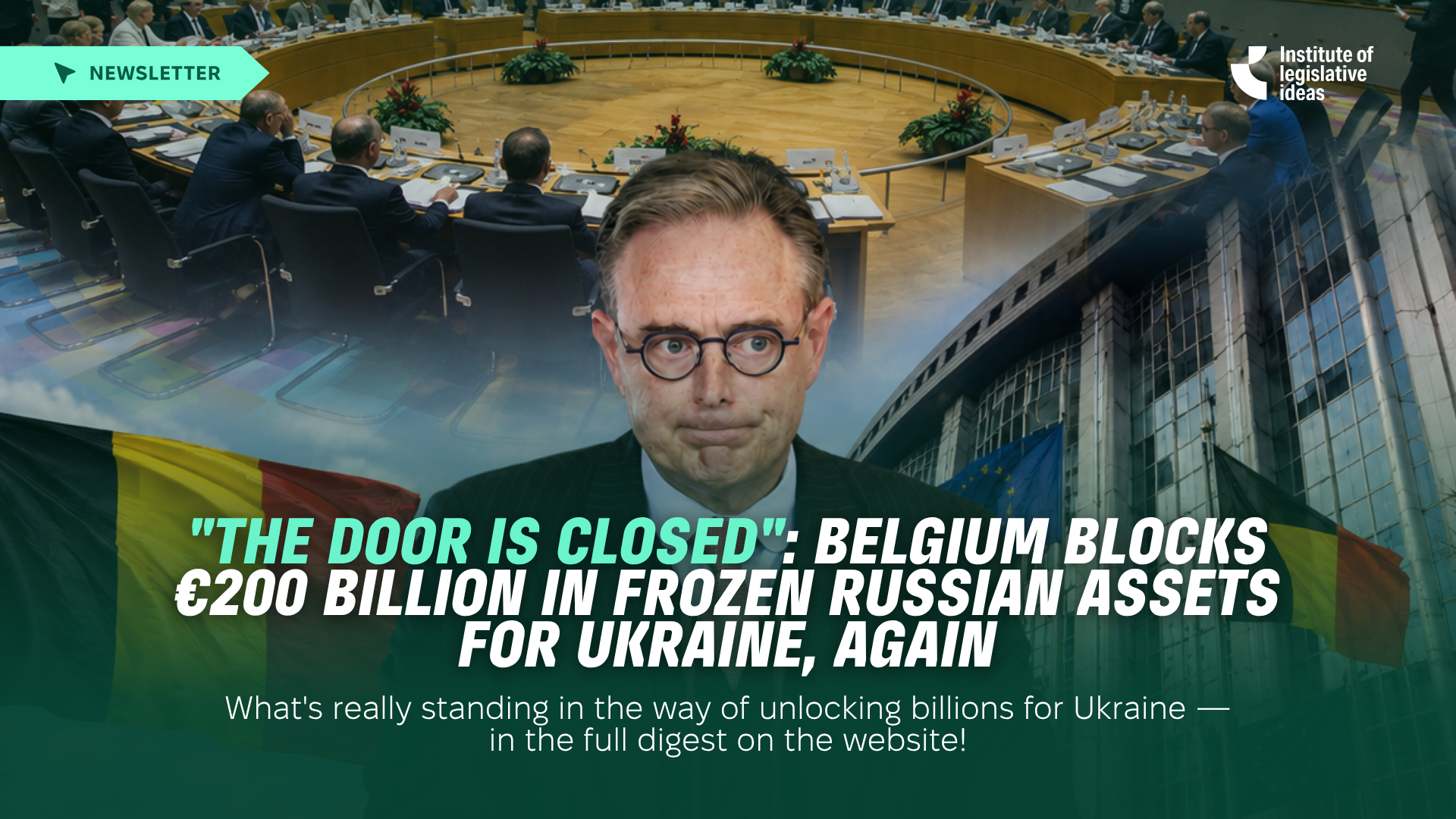
1. Frozen Russian Assets
The EU currently has no plans to reopen discussions on transferring frozen Russian assets to Ukraine. Some member states continue to have concerns over the legal, financial and systemic risks involved, while Brussels is waiting for a more favourable moment to revisit the issue.
Belgium is not prepared to assume the risks of transferring frozen Russian assets to Ukraine on its own. Belgian Defence Minister Theo Francken said the matter was non-negotiable and that the door was closed.
Four EU countries are preparing an appeal to the European Commission regarding Russia’s frozen assets. The initiative seeks to identify further mechanisms for using these funds to support Ukraine.
2. International Sanctions Policy
As of 1 September, Latvia has banned imports from Russia and Belarus of books, clothing, footwear, textiles, toys and sporting equipment. The restrictions also cover goods from these countries entering Latvia through third countries, with the aim of reducing Russian revenues and limiting the spread of Russian propaganda.
Canada has lifted sanctions against Anatoly Chubais, the former head of Russia’s state-owned technology company Rusnano. The restrictions, which included an asset freeze and an entry ban, were removed following Chubais’s request to the Canadian authorities.
Kazakhstan’s major oil refineries have refused to supply petrol to Russia despite receiving export authorisations. The companies are concerned about payment difficulties involving Russian banks and the risk of exposure to Western sanctions.
The EU’s Operation IRINI intercepted the MV SUN in the Mediterranean over suspected use of a false flag and possible links to Russia’s “shadow fleet.” The operation was made possible after the mission’s mandate was expanded to address covert maritime activities.
The UK Royal Navy monitored Russian vessels and a ship linked to the “shadow fleet” in the English Channel for three days. The increased surveillance highlights growing attention to Russia’s maritime exports and potential sanctions evasion.
Sweden is planning to seize property owned by a Russian citizen near the Muskö naval base. The Swedish Armed Forces consider the property a potential national security risk and say it is needed to deploy systems designed to protect the base from drone threats.
3. Sanctions Violations and Circumvention
Kazakhstan’s Kondesat refinery has begun receiving Russian crude and plans to export up to 70% of its petrol and diesel output back to Russia. The arrangement could allow Russian crude to return to the Russian market after being processed in a third country.
Ukrainian intelligence has identified nearly 80 companies involved in the production of Russia’s Su-35S fighter aircraft. At the same time, 22 of the 79 identified companies are still not subject to sanctions by any country within the sanctions coalition.
Executives at a Russian bank in Luxembourg may have earned more than €9 million from transactions involving Russian bonds after sanctions were imposed. The bankers reportedly purchased heavily discounted Gazprom Eurobonds and exchanged them for Russian replacement bonds at full face value.
4. Ukraine’s Sanctions Policy
Ukraine continues to expand mechanisms for documenting damage caused by Russia’s aggression. The Register of Damage has opened a new category for people who lost paid employment because of the war, allowing them to submit claims for lost income and seek compensation.
The International Register of Damage has opened a new category of claims for legal entities that have lost control over property in temporarily occupied territories. Companies can report losses of property, profits or business operations resulting from their inability to use or manage their assets.
Ukraine’s State Financial Monitoring Service has uncovered a network allegedly linked to terrorist financing and sanctions circumvention through an account on a cryptocurrency exchange. The case highlights the continued use of crypto assets as a potential channel for concealing financial transactions and moving funds.
Russia’s representative to the UN Security Council has complained about Ukraine’s sanctions against the creators of Masha and the Bear. Moscow is once again seeking to portray Ukraine’s sanctions decisions as unlawful, despite the measures targeting individuals linked to support for Russia’s aggression.