


Newsletter of the main news 13.04/19.04
All newsDate
19 Apr 2026

- Telegram


1️⃣ Frozen Russian Assets
The United Kingdom has transferred nearly $1 billion to Ukraine under the G7 mechanism financed by proceeds from frozen Russian assets. The funds are allocated to security and defence needs and form part of a broader $50 billion support programme.
Oschadbank is initiating new international arbitration proceedings against Russia over confiscated assets in occupied Ukrainian regions. The claim covers losses in Donetsk, Luhansk, Kherson and Zaporizhzhia regions and forms part of a broader compensation strategy already exceeding $1.3 billion.
2️⃣ International Sanctions Policy
Voters of Slovakia’s ruling coalition led by Robert Fico support blocking new anti-Russian sanctions, with 64% of Smer voters, 60% of Voice voters and 74% of Slovak National Party supporters backing this position, while about one-third of the population shares this view.
Ukraine, along with several other countries, joined the EU’s updated sanctions against Russia, aligning its national policy with the EU decision and expanded restrictions targeting involved individuals and entities.
The United States extended sanctions exemptions for Russia’s Lukoil, allowing its petrol station network outside Russia to continue operating until at least the end of October 2026. The measure covers around 2,000 stations across Europe, Central Asia, the Middle East and the US, as well as certain transactions involving the company’s foreign refining assets.
Ukrainian water sports federations called for reinstating sanctions against Russia and Belarus after World Aquatics allowed their athletes to compete under national flags. The statement stresses that this decision undermines fair competition and ignores the broader context of the war and its impact on Ukrainian athletes.
Slovakia plans to block the EU’s 20th sanctions package against Russia while not opposing a €90 billion loan for Ukraine. The position is linked to demands for guarantees on the resumption of the Druzhba oil pipeline, without which Bratislava is unwilling to support new restrictions.
The United States has extended the ban on Russian-affiliated vessels entering its ports for another year, maintaining the regime introduced after the full-scale invasion of Ukraine. The restrictions apply not only to ships under the Russian flag but also to all Russia-linked vessels and will remain in force at least until 2027.
Slovakia plans to file a lawsuit with the Court of Justice of the EU over the ban on Russian gas imports, arguing the decision was adopted in breach of EU procedures. The government insists such measures require unanimous approval and intends to seek an interim ruling from the court.
Russian and Belarusian U21 handball teams have been allowed to take part in friendly tournaments following a decision by the International Handball Federation. The measure applies only to self-arranged matches in countries without restrictions, subject to declarations confirming no ties to military structures.
Poland will not allow Russian and Belarusian athletes to compete in the diving championships despite World Aquatics allowing their return. The federation maintains that as long as the war against Ukraine continues, athletes from these countries should not participate in international competitions.
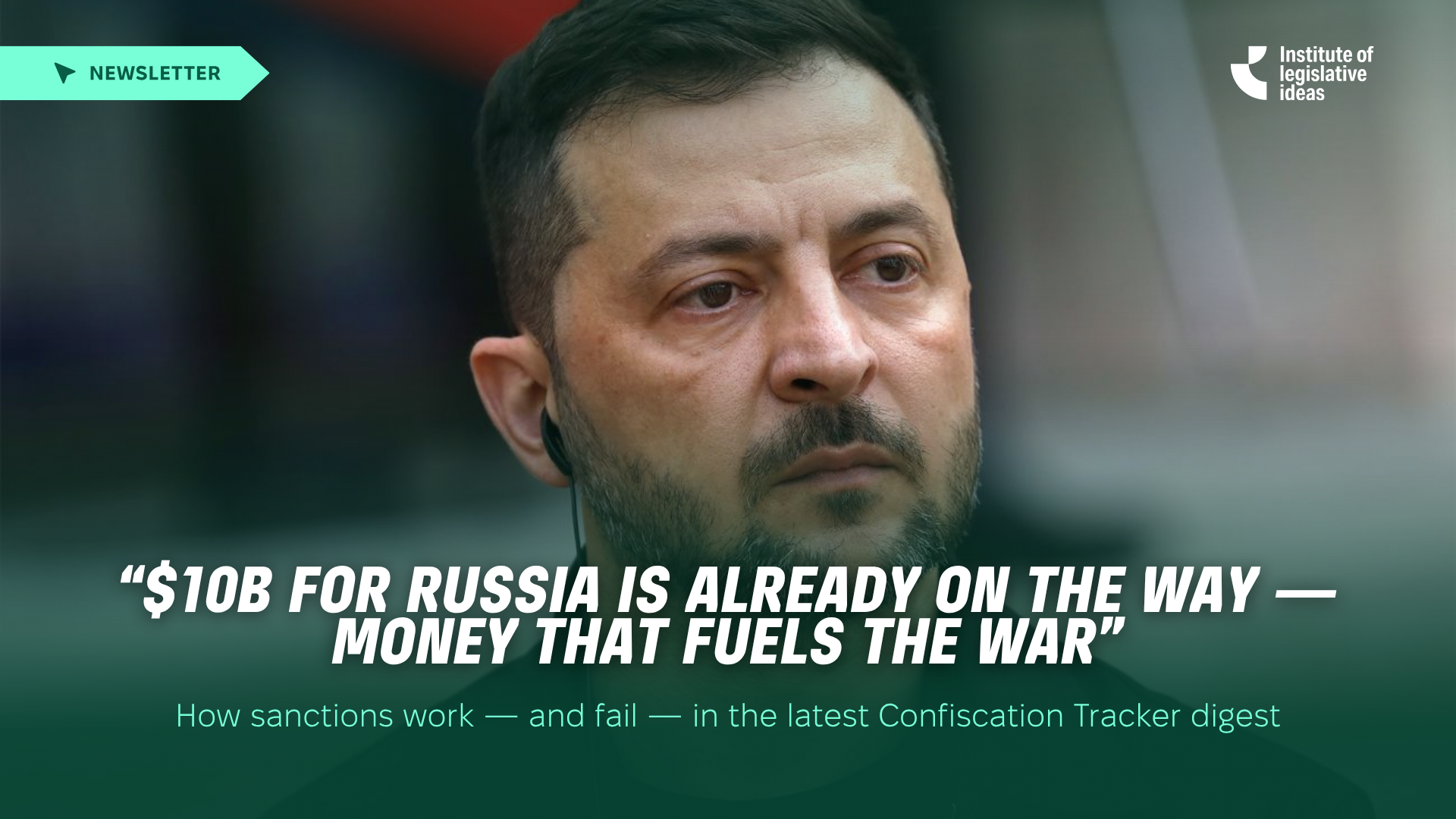
Volodymyr Zelenskyy commented on the easing of sanctions on Russian oil, warning that it enables Russia to generate billions to sustain its war. He stressed that oil shipments already at sea could bring in around $10 billion, which is directly converted into further attacks against Ukraine.
Finland is scaling back its participation in the Venice Biennale following the return of the Russian pavilion, withdrawing political-level involvement. At the same time, it will remain represented through cultural institutions, stressing support for Ukraine and opposition to legitimising Russia in international cultural events.
3️⃣ Sanctions Violations and Evasion
Israel received a Russian vessel carrying grain taken from temporarily occupied Ukrainian territories, transported via Kerch and the port of Kavkaz using schemes to conceal the origin of the cargo.
Hungarian opposition leader Péter Magyar stated that Foreign Minister Péter Szijjártó arrived at the ministry and was urgently destroying documents related to sanctions against Russia. The report also notes warnings from representatives of the incoming political team that the destruction of such records and deletion of data could amount to unlawful conduct.
In the United Kingdom, charges have been brought for breaching sanctions against Russia in connection with financial transactions carried out despite an asset freeze. The case involves a transfer of around £200,000 on the day of designation and also includes money laundering allegations.
An Armenian national has pleaded guilty to smuggling controlled goods into Russia by circumventing US export restrictions. The scheme involved routing items, including semiconductor-related components, through Armenia without required licenses and concealing the end user.
Russia spent about $130 billion between 2022 and 2025 on circumventing sanctions and purchasing restricted Western goods through alternative channels. Intelligence assessments indicate that these figures are likely underestimated and that the broader impact includes additional losses from logistics costs, declining exports and reduced foreign trade.
Russia continues to supply gas to China despite US sanctions, relying on alternative routes and trading mechanisms. This includes resumed LNG shipments after the 2025 restrictions and deeper energy cooperation between the two countries.
India has resumed purchases of Russian gas amid energy instability and rising prices, prioritising supply security and cost considerations. This marks a return to LNG imports after a pause since the start of the full-scale war, reinforcing energy ties with Russia despite ongoing sanctions pressure.
In France, a Russian “shadow fleet” tanker Deyna was released after its owner paid a fine, following detention over suspected use of a false flag and sanctions evasion. A Marseille court ordered the company to pay a penalty and address the violations, after which the vessel left French territorial waters under maritime supervision.
Authorities in the Czech Republic raided a company suspected of breaching sanctions against Russia through the supply of restricted goods. The case reflects a broader pattern, as Czech officials have previously identified multiple schemes involving intermediaries in third countries to bypass restrictions.
Germany’s largest bank Deutsche Bank has admitted possible breaches of EU sanctions against Russia following an internal review of transactions involving Russian clients. The cases relate to deposits exceeding the €100,000 cap, which the bank reported to regulators and linked to shortcomings in its compliance systems.
The owner of a Kryvyi Rih-based company was caught supplying electrical equipment to Russia via intermediaries in third countries to bypass sanctions. Investigators state that between 2023 and 2025 more than 100 units worth over UAH 11.5 million were delivered, with coordination carried out through messaging apps with representatives of the aggressor state
4️⃣ Ukraine’s Sanctions Policy
Ukraine has imposed sanctions on more than 120 Russian commanders involved in missile strikes on Ukrainian territory, as well as religious figures spreading propaganda and justifying Russia’s aggression. The list includes representatives of Russia’s air, naval and ground forces responsible for large-scale attacks on civilian infrastructure.